A cash offer in 24 hours, a closing that waits for the court, and no repairs or cleanout. We work with your attorney and the personal representative.
Tap to call · Available 24/7
Homes Purchased
Google Rated
Offer Turnaround
Fastest Closing
Family-Owned Since
Yes — you can sell a house during probate in Massachusetts. Once the court appoints a personal representative, the property can be sold during administration — under a power of sale in the will, or with a license to sell from the Probate & Family Court. A cash buyer with a signed offer is often exactly what that license-to-sell petition needs to move forward.
Most probate houses sit empty while the estate works through the court — and the taxes, insurance, and winter pipes stay the estate’s problem the whole time. If you’re the personal representative, or about to be, you don’t have to manage a vacant property for months on top of everything else. We buy probate and estate houses across Massachusetts — from Worcester and Springfield to Brockton, Fall River, and New Bedford — as-is, for cash. Still a mortgage on the house? See what happens to the mortgage when you inherit a house. And if the probate property has tenants in it, we buy those too.
If the estate has already cleared probate — or never needed it because the house passed by survivorship or a trust — start with our guide to selling an inherited house in Massachusetts instead. For every town we buy in statewide, see sell your house fast in Massachusetts.
No repairs. No realtor. No cleanout. Take what matters to you and leave the rest — we handle everything else.
A quick call or the form below. Nothing to fix, clean, or empty out first.
A no-obligation, as-is offer with the math laid out so it’s clear.
We schedule the closing for after the license to sell — or the will’s power of sale — is in place. You pick the date.
Usually, yes. In Massachusetts you don’t have to wait for the estate to fully close. Once the court appoints a personal representative, the house can often be sold during probate administration. If the will grants power of sale under formal probate, no separate court approval is needed; otherwise the estate may just need a simple license to sell. We’ve worked through both — and we coordinate directly with your probate attorney so the timeline fits everyone. And if probate hasn’t been opened yet, it may move faster than you fear — an informal probate can appoint a personal representative in as little as 7 days after filing.
A full Massachusetts probate often runs about 9 to 11 months, though simpler estates can move faster — and because the personal representative can sell during administration, you usually don’t have to wait until it’s all wrapped up to sell the house. The sooner you start, the sooner the estate can turn the property into cash. One deadline worth knowing: Massachusetts generally allows 3 years from the date of death to open a full probate — after that, a late and limited proceeding can confirm who owns the house, but it cannot grant a license to sell.
1. Open the estate. Someone petitions to be named personal representative. In informal probate, heirs get written notice at least 7 days before the petition is filed, and MassHealth’s Estate Recovery Unit gets a copy too. A magistrate can sign the order as early as 7 days after the death.
2. Get the Letter of Appointment. That’s the court paper that proves the personal representative can act for the estate. A house can’t go through the small-estate route (voluntary administration), so an estate with real estate needs informal or formal probate.
3. Check the will for a power of sale. If the will gives the personal representative the power to sell, no extra court approval is needed. If there’s no will, or the will doesn’t grant that power, Massachusetts law requires a license to sell before the house can be sold or mortgaged.
4. Petition for the license. The personal representative files a Petition for Sale of Real Estate (MPC 210) with a description of the property and the estate inventory. A signed cash offer gives the court a real price to look at — no financing or appraisal to fall through.
5. Close. Once the court issues the decree, the personal representative signs the deed for the estate. The closing attorney pays off any mortgage or liens from the sale, and the rest goes to the estate.
A certified death certificate · the Letter of Appointment · the probated will, if there is one · and the court’s decree on the license to sell (MPC 794), unless the will gives a power of sale.
We work with your probate attorney so those papers are lined up before the closing date, not the morning of it.
More than one heir? In probate, the personal representative signs for the estate — but heirs get notice of a license-to-sell petition and can object. So we send everyone the same offer and the same numbers up front. Fewer surprises means fewer objections and a faster decree.
Every estate is different. We buy houses — we’re not attorneys, and nothing here is legal advice. We’ll always suggest you confirm the details with your probate attorney.
OUR PROCESS
Selling a house should be simple. Here’s how it goes — start to finish.
Fill out the form or call us. Takes 2 minutes.
Fair, no-obligation offer within 24 hours.
Close in 7 days, 60 days, or anywhere in between.
Cash wired to your account. Walk away with money in hand.

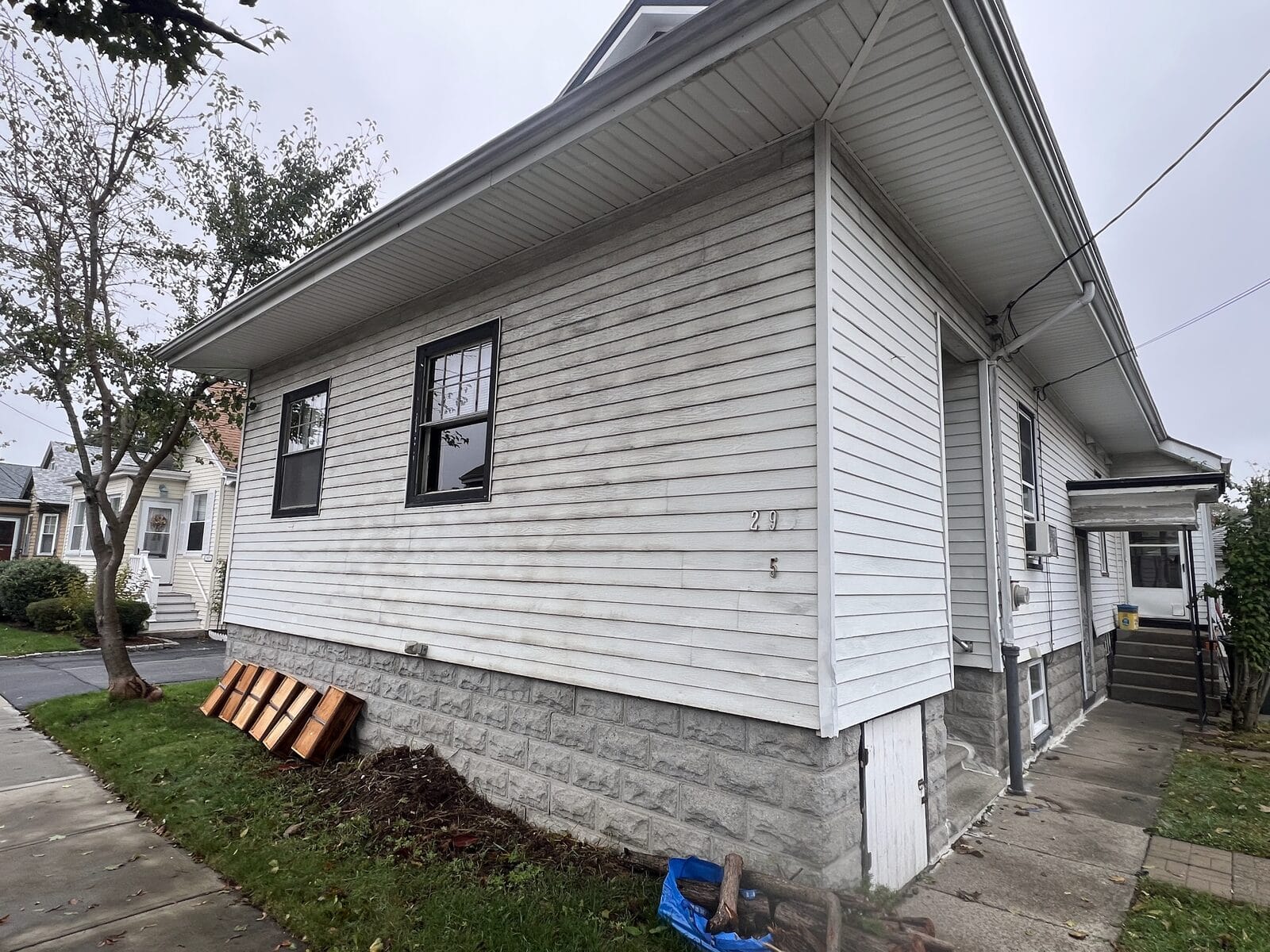
The kind of home we buy across Massachusetts — as-is, cleanout and all. No repairs, no staging, closed on the seller’s timeline.
COMPARE YOUR OPTIONS
Same house. Three ways to sell. Here’s what each one costs you.
| Premier Fort | Listing with a Realtor | FSBO (Selling Yourself) | |
|---|---|---|---|
| Commissions | $0 | 5–6% of sale price5–6% | $0 (you market it)$0 |
| Repairs needed | None | Often requiredOften | Usually requiredUsually |
| Closing timeline | 7–60 days | 45–90+ days | 60–120+ days |
| Showings | None | 10–25 typical10–25 | Many |
| Closing costs | We pay | You pay | You pay |
| Financing falls through? | Never (we pay cash)Never | Common | Common |
| Certainty of close | 100% | Depends on buyer's loanDepends | Depends on buyer's loanDepends |

If speed and certainty matter more than top dollar, we’re the right call. If you have the time and the house is move-in ready, a realtor might net you more. We’ll tell you honestly which one fits your situation.
See what we’d pay for it — as-is, cleanout and all. Cash offer in 24 hours, no obligation.
Get My Cash OfferMeet the Brothers
We’re the St. Fort brothers, born and raised in Massachusetts. Jordan and Joshua started Premier Fort Properties in 2018, and our brother Jacob works right beside us. One goal: help owners who need to sell fast get a fair cash offer — any condition, on your timeline.

Jordan & Joshua, Co-Founders · Jacob, Acquisitions Manager
These reviews update automatically. View all reviews on Google →
Yes. Once the court appoints a personal representative, the house can usually be sold during probate — you don’t have to wait for the estate to fully close. If the will grants power of sale under formal probate, no extra court step is needed; otherwise a simple license to sell may be required. We coordinate with your attorney and the court’s timeline.
Not always. If the will grants a power of sale and the estate is in formal probate, no separate approval is needed. Otherwise the estate petitions the Probate & Family Court for a license to sell — and the court generally wants a signed purchase offer in hand, which is where we come in.
A full probate often takes about 9 to 11 months, though simpler estates can move faster. The good news: because the house can be sold during administration, you don’t have to wait for probate to finish to turn it into cash for the heirs.
Heirs get notice of a license-to-sell petition and can file an objection, and then a judge decides. Most of these disputes are about price, so we show every heir the same offer and how we got to it. If the will gives the personal representative a power of sale, no license is needed — but keeping the heirs in the loop still saves time.
The personal representative. Massachusetts law requires them to pay the taxes on estate property and take reasonable steps to protect it. For an empty house, that means heat, insurance, and someone checking on it — and many homeowner policies cut back coverage once a house sits vacant, so call the insurer early. Selling sooner ends that job.
Two different taxes. The Massachusetts estate tax only applies when the whole estate is worth more than $2 million (for deaths on or after January 1, 2023), and only on the amount over $2 million. Capital gains is separate: the house’s tax basis usually resets to its value on the date of death, so a sale soon after often shows little or no gain. Confirm your numbers with an accountant or tax attorney.
Tell us about your property. We’ll get back to you within 24 hours.
Available 24/7 · Massachusetts & Rhode Island